 Intensity-Modulated Radiotherapy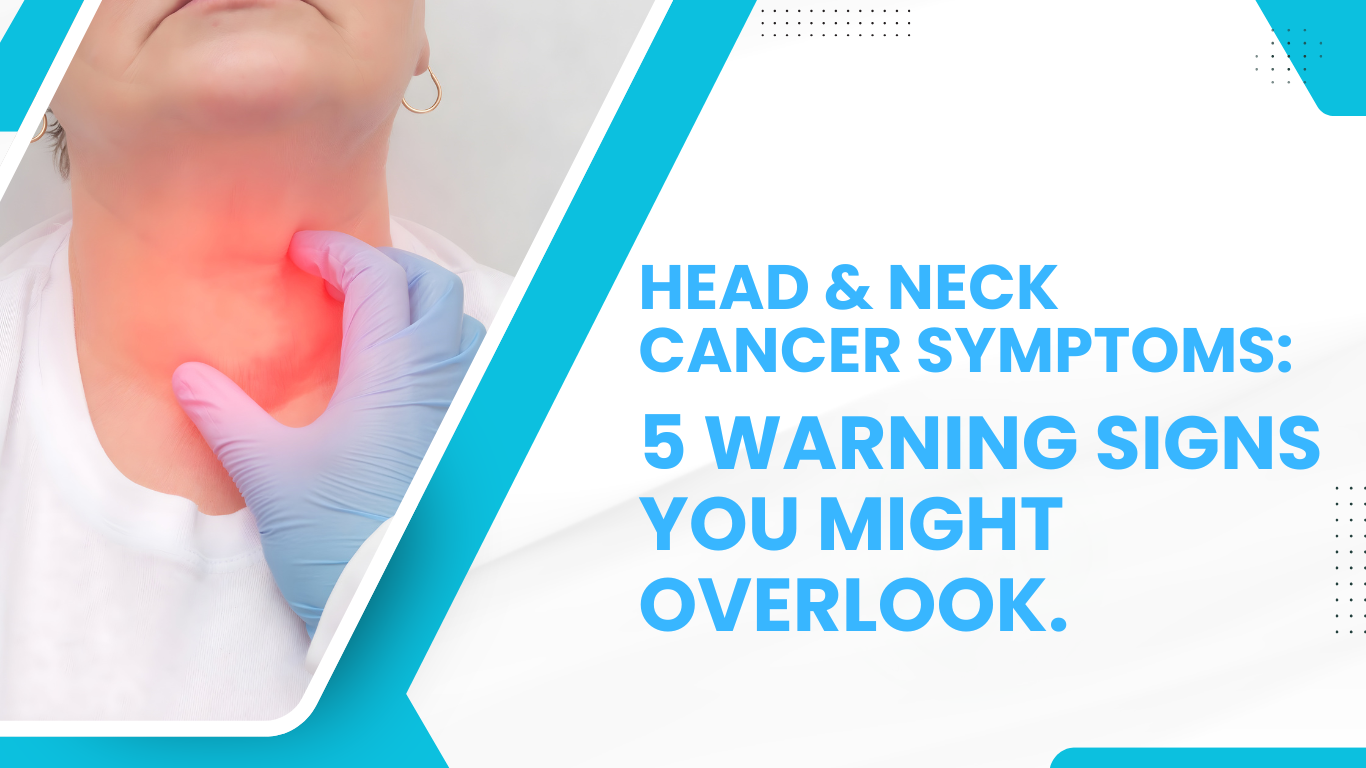
Head & Neck Cancer Symptoms: 5 Warning Signs You Might Overlook
Early detection of head and neck cancer can make a big difference in treatment success. Some signs are easy to miss or misinterpret.
Here are five warning symptoms that are often overlooked but shouldn’t be.
Persistent Sore Throat or Hoarseness
A sore throat that doesn’t go away after a few weeks isn't just irritating—it could be a sign of throat cancer. If your voice sounds hoarse or strained without an obvious reason like a cold or overuse, take note.
Changes in vocal tone, pitch, or the sensation of something stuck in your throat are red flags. Most temporary sore throats resolve within a week.
If it's ongoing, especially if accompanied by pain while speaking or swallowing, it warrants a medical check.
These symptoms could indicate cancer in the voice box (larynx), pharynx, or even thyroid. Hoarseness lasting more than three weeks needs attention—especially in people over 40, smokers, or those who consume alcohol regularly.
Even if painless, a persistent sore throat deserves evaluation, particularly if it's affecting your daily speaking or eating habits.
When to Seek Medical Attention
- Sore throat lasting more than 2–3 weeks
- Unexplained hoarseness or vocal changes
- Pain or discomfort while speaking
If these signs are present and don’t resolve, consult an ENT specialist for examination.
Unexplained Lump in the Neck or Jaw
A new, painless lump on the neck or under the jawline is a typical symptom of head and neck cancers. Lymph nodes may swell temporarily during infections, but if the lump remains for more than two weeks, it could be something more serious.
Cancers in the throat, mouth, or salivary glands can cause hard, immovable lumps.
They often grow slowly and don’t cause pain at first.
A lump behind the ear or at the base of the skull may indicate cancer spread.
Even if it doesn’t hurt, a persistent or enlarging mass should be evaluated.
Ignoring this symptom may lead to cancer progressing to an advanced stage before diagnosis.
What a Lump Could Indicate
- Enlarged lymph nodes from cancer spread
- Salivary gland tumors
- Thyroid or laryngeal cancer
If a lump doesn’t shrink or becomes firmer, seek diagnostic tests like an ultrasound or biopsy.
Difficulty Swallowing (Dysphagia)
Dysphagia, or trouble swallowing, is a classic warning sign of cancers in the throat or esophagus. It may feel like food is getting stuck or sliding down slowly. Some describe it as pain when swallowing solid or even liquid foods.
This symptom is frequently ignored or mistaken for acid reflux.
But persistent swallowing issues are one of the first signs of cancer in the pharynx or larynx.
In later stages, dysphagia can lead to weight loss and malnutrition due to reduced food intake. It may also be accompanied by coughing while eating or regurgitating food.
Why Dysphagia Shouldn’t Be Ignored
- Difficulty swallowing lasting more than 1–2 weeks
- Pain or pressure in the throat when eating
- Unexplained weight loss
Persistent dysphagia should be evaluated with an endoscopy or imaging to rule out tumors.
Mouth Sores or White Patches That Don’t Heal
Canker sores and ulcers are common, but if a sore or white/red patch in the mouth doesn’t heal in two weeks, it could be a warning sign of oral cancer.
These patches often appear on the tongue, inner cheeks, or gums.
They may bleed easily or cause slight pain when eating spicy or acidic foods.
In some cases, people experience numbness or a burning sensation in the mouth.
People who smoke, chew tobacco, or drink heavily are at higher risk.
These oral changes may seem harmless but are often the earliest visual signs of cancerous growths.
Oral Changes and Cancer Risk
- White (leukoplakia) or red (erythroplakia) patches
- Non-healing ulcers or mouth sores
- Pain or numbness in the tongue or jaw
Dentists and ENT doctors can perform screenings to detect early-stage cancerous cells.
Persistent Nosebleeds or Nasal Blockage
While nosebleeds and stuffiness are common with allergies or infections, frequent or unexplained nasal bleeding may point to cancer in the nasal cavity or sinuses.
Other associated symptoms include:
- Blocked nostrils on one side
- Loss of smell
- Facial pressure or swelling
- Mucus mixed with blood
These symptoms are often mistaken for sinusitis, leading to delayed diagnosis. Cancers in this region are rare but aggressive.
Early detection significantly improves treatment options.
Nasal Symptoms and Sinus Tumors
- Recurrent nosebleeds without trauma
- One-sided nasal blockage
- Mucus drainage with blood
ENT specialists may recommend a nasal endoscopy or scan if symptoms persist or worsen.
FAQ
Q 1. What is head and neck cancer?
A 1. Head and neck cancer refers to a group of cancers that start in the mouth, throat, voice box (larynx), nasal cavity, sinuses, or salivary glands. These areas often share similar types of cancer and symptoms.
Q 2. Who is most at risk for head and neck cancer?
A 2. People who:
- Smoke or chew tobacco
- Drink alcohol frequently
- Have HPV (Human Papillomavirus) infection
- Are exposed to radiation or industrial chemicals
- Are over the age of 40
are at a higher risk of developing head and neck cancers.
Q 3. Are sore throats always a sign of cancer?
A 3. No. Most sore throats are caused by viral or bacterial infections.
However, if a sore throat lasts more than 2–3 week
Conclusion
Head and neck cancers are often detected late because symptoms seem minor at first.But early signs can make all the difference. If you or someone you know experiences any of these symptoms for more than two weeks, it is important to consult a medical professional. Timely diagnosis can lead to less aggressive treatments and better recovery.
